
On-Site Stormwater Retention and Rainwater Reuse - Johannesburg
Design - 2021
Installation completed - 2022
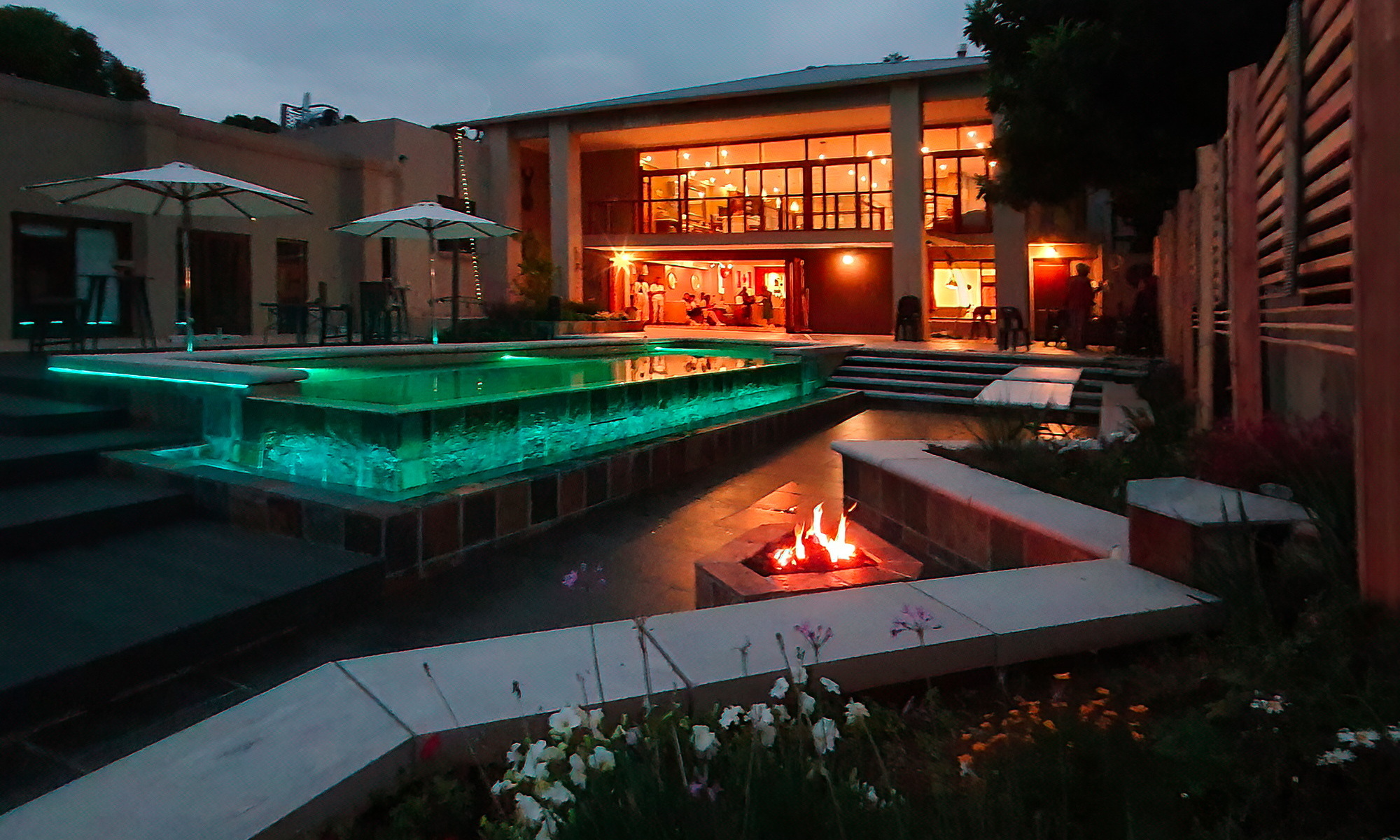
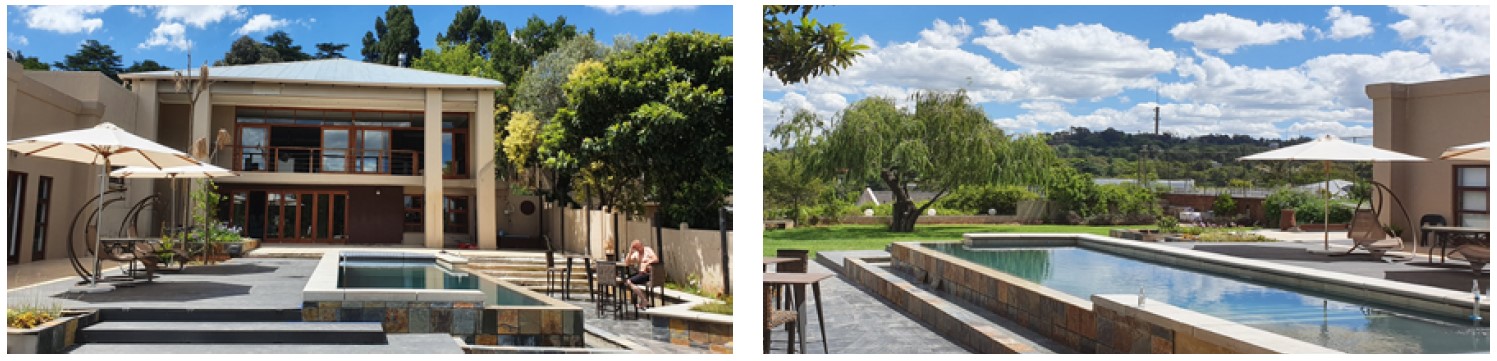
Located in Johannesburg’s Observatory area, this project reimagined an outdated backyard with a large swimming pool and a narrow, underused patio.
The design captures runoff from the roof and hard landscape areas for storage and reuse in the pool and garden irrigation. When the storage system is full, overflow is directed to an infiltration trench, where it can soak into the underlying soil and contribute to groundwater recharge. This keeps stormwater on site or infiltrating into the ground during normal rainfall. Discharge to the municipal stormwater system occurs only during very significant rainfall.
The design objectives also included:
-
- Reducing the pool volume from approximately 120,000 to 50,000 litres
- Creating a generous outdoor space for family gatherings
- Improving privacy
- Adding a fire pit and braai area
- Connecting the adjacent cottage with the pool area
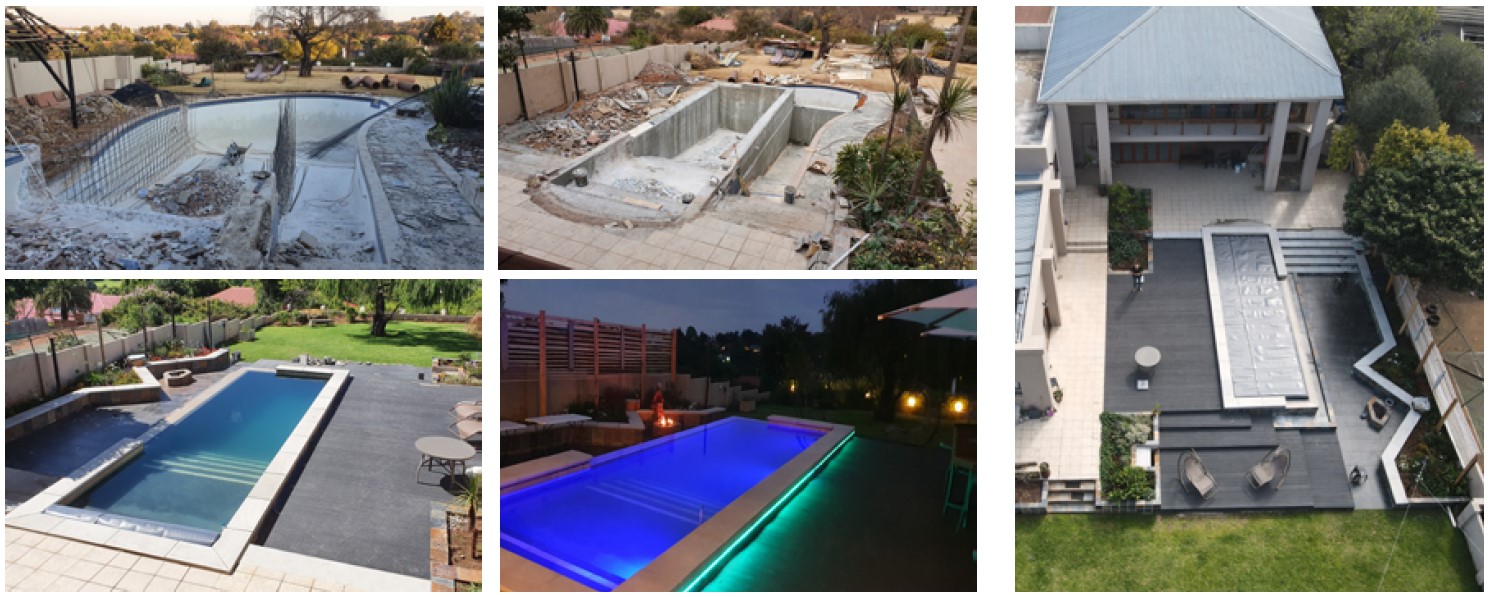
LASquare redesigned the backyard and assisted with construction, integrating a rainwater storage system into the renovation of the existing pool. The system can store approximately 75,000 litres of rainwater underground, retaining water on site and reducing immediate runoff from the property.
Collected rainwater passes through a gravel sump and sand filter before entering the storage tanks. The treated water is reused for landscape irrigation and the pool. The two concrete tanks are concealed beneath a composite deck, with an access section for inspection and maintenance.
The redesigned pool includes shallow and deeper swimming areas, a protected underwater net, and an infinity-edge catchment that also serves as a wading area for small children. A small water feature in an adjacent planter provides a visible way to monitor the stored water.
 Download a PDF file for this project
View a 1 minute construction film
KSB Pumps and Filters - Stormwater Capture and Reuse
Design - 2022
Construction - 2023/2025 (Phase 1/Phase 2)
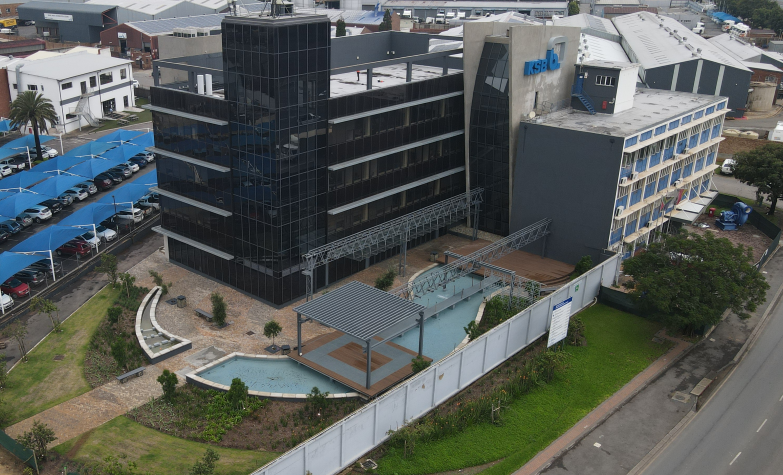
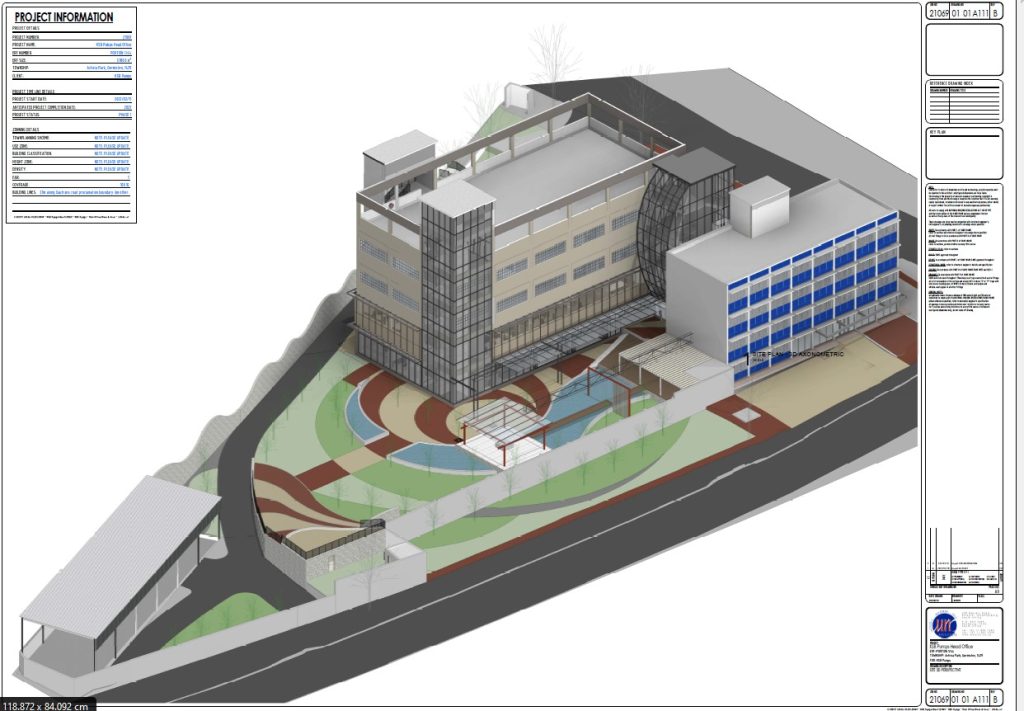
Located in Ekurhuleni (Germiston’s industrial area), the KSB project transforms two outdated industrial structures into modern offices set within a renewed landscape.
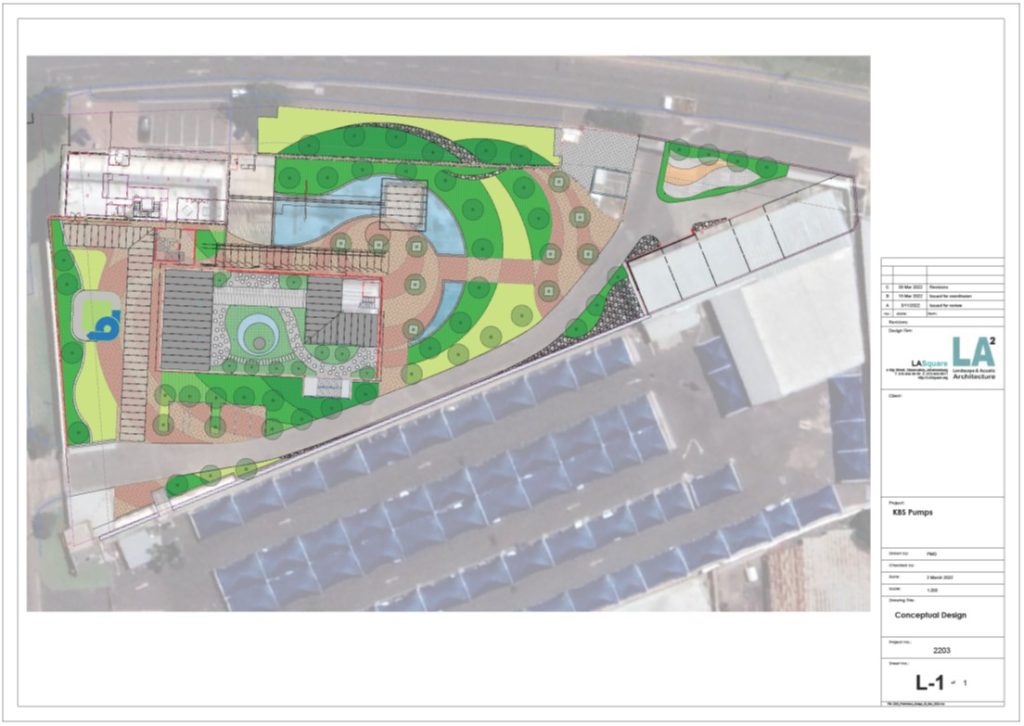
The design retains selected steel structures and reuses portions of the existing concrete floor, while removing other sections to create space for planting. A large underground cistern is designed to collect and pre-filter runoff from building roofs and the site’s paved and landscaped areas.
Stored rainwater is intended for landscape irrigation, replacing evaporation losses from the water feature, pump demonstrations at a dedicated facility, and selected uses within the office building. Capturing and reusing runoff helps keep water on site for practical purposes and reduces the need for other water supplies.
The landscape includes mostly indigenous, drought-resistant plants, chosen to provide a resilient and attractive setting throughout the year. A water feature with three connected pools and a roofed gazebo also gives KSB a place to demonstrate and showcase its pump and filtration products.
Canadian Projects: A Landscape-Based Approach to Stormwater Management
Langley's Transit Terminal, British Columbia
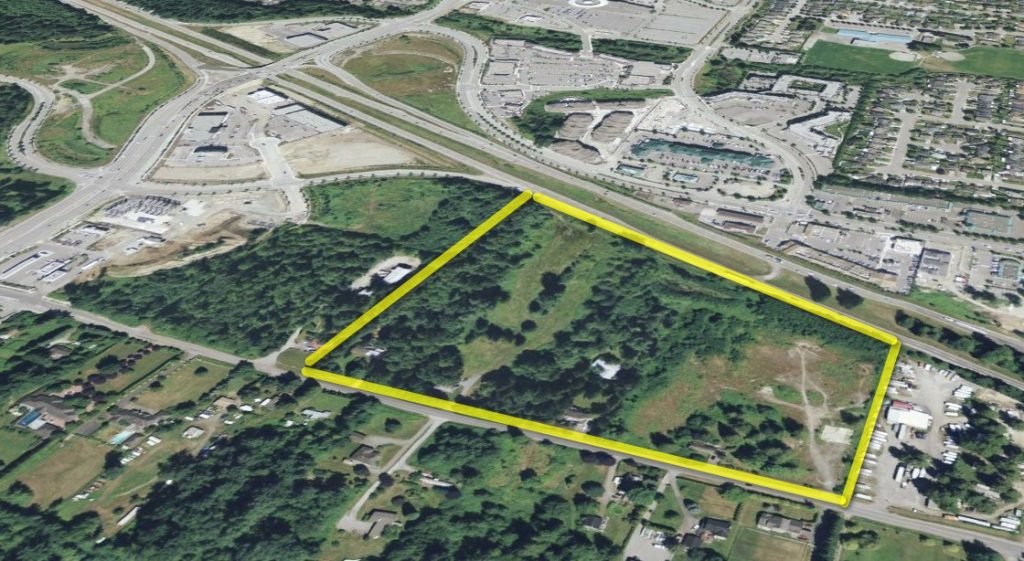
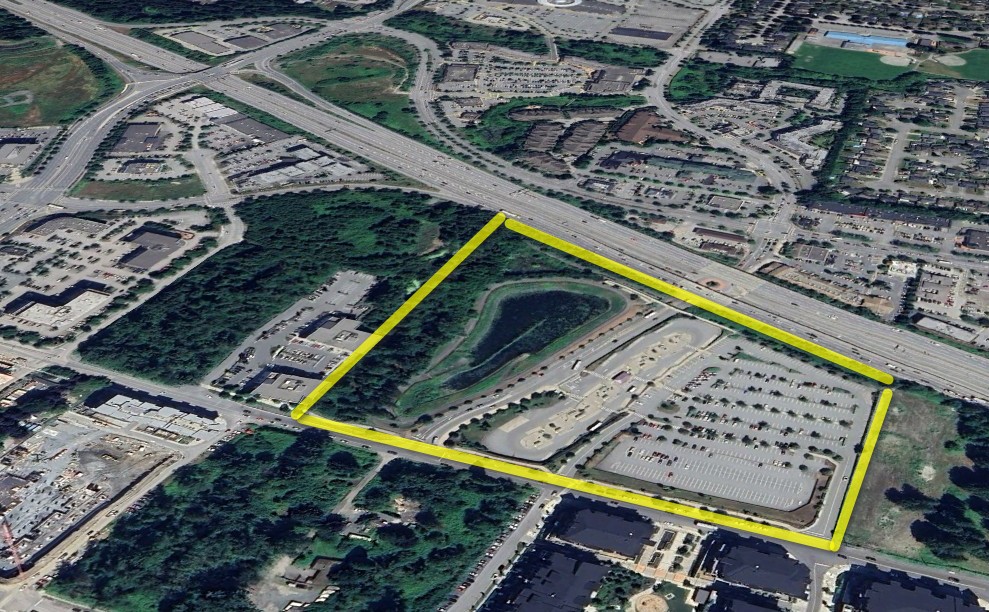
At a large parking area beside the Langley transit terminal, runoff from the paved surface is collected in biofiltration areas between the parking rows for initial treatment. It then flows to a large detention pond, which temporarily stores stormwater and controls peak flows during heavy rain.
From the pond, water is released at a controlled rate into a larger system of biofiltration ponds for further treatment before entering a sensitive creek that provides wildlife habitat. This connected system captures, filters and slows runoff before it reaches the creek.
OMA Residential Complex, Burnaby, British Columbia
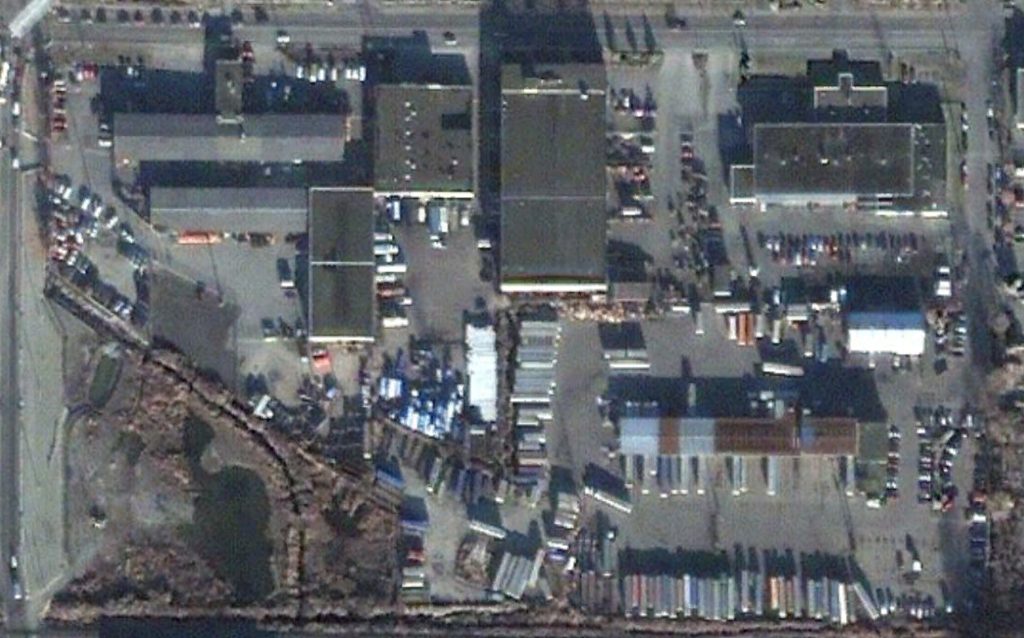
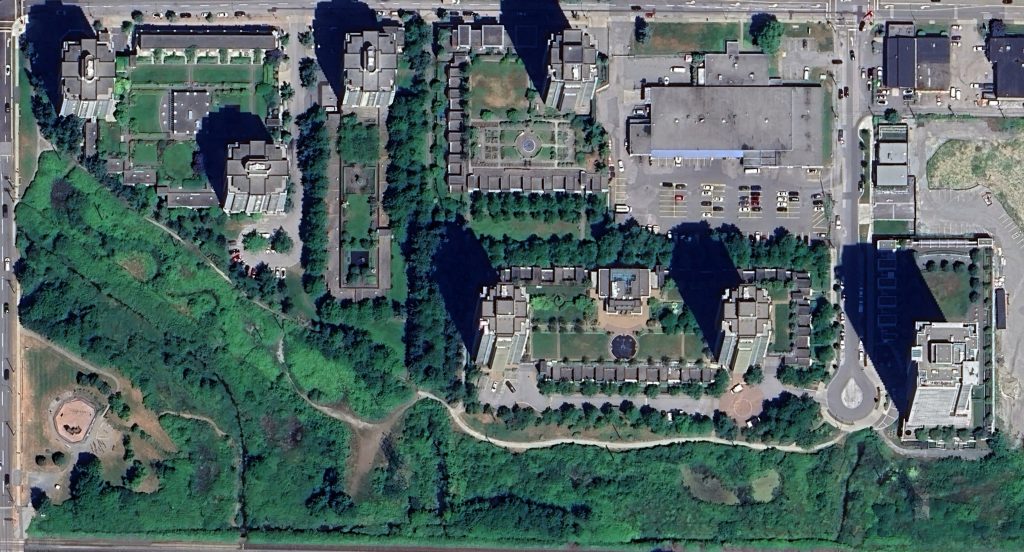
This residential complex transformed a fully paved industrial site into residential row houses with an attractive shared park. Stormwater from the site is collected in a system of detention ponds, where it is temporarily stored, and biofiltered before flowing into a small creek that provides wildlife habitat. The ponds and planted landscape serve both as part of the site’s stormwater system and as a valued outdoor space for residents.
Residential Complex in Port Moody, British Columbia
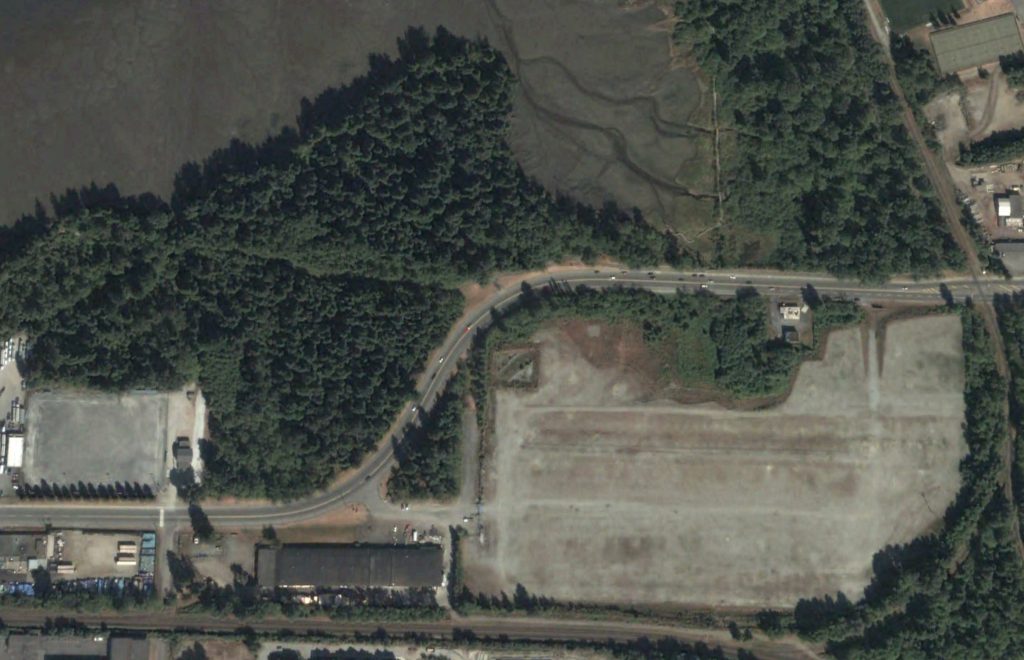
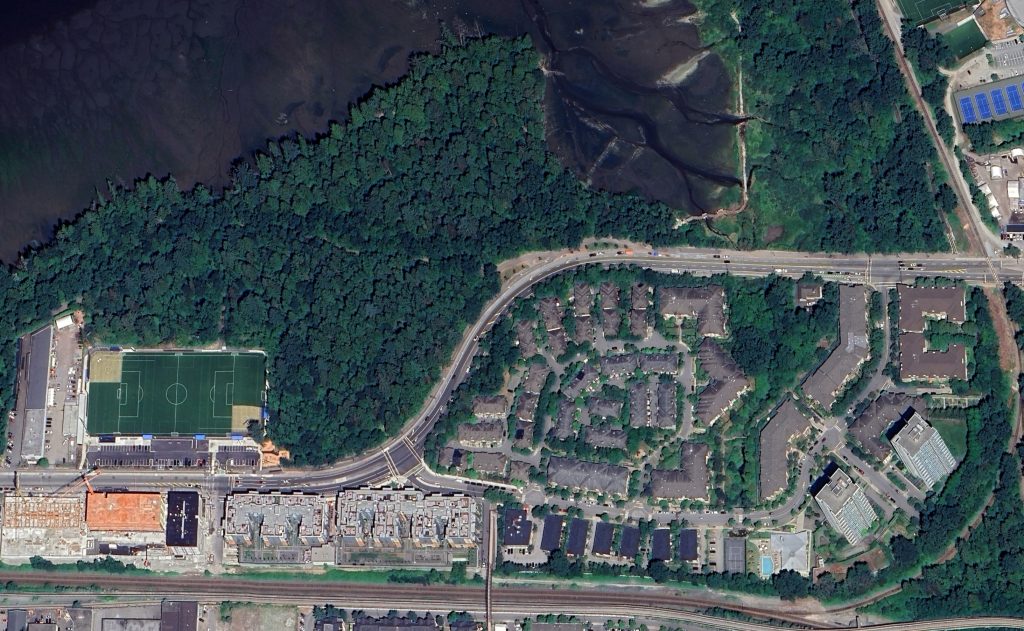
Built on a former industrial site at the edge of a sensitive estuary near Vancouver, this residential complex required careful management of stormwater to protect nearby fish and wildlife habitat. Runoff from across the site is directed through a series of detention ponds and biofiltration areas. The ponds slow and control the flow, while biofiltration treats the water before its controlled discharge into the estuary.
South Aldergrove Sport Park, British Columbia
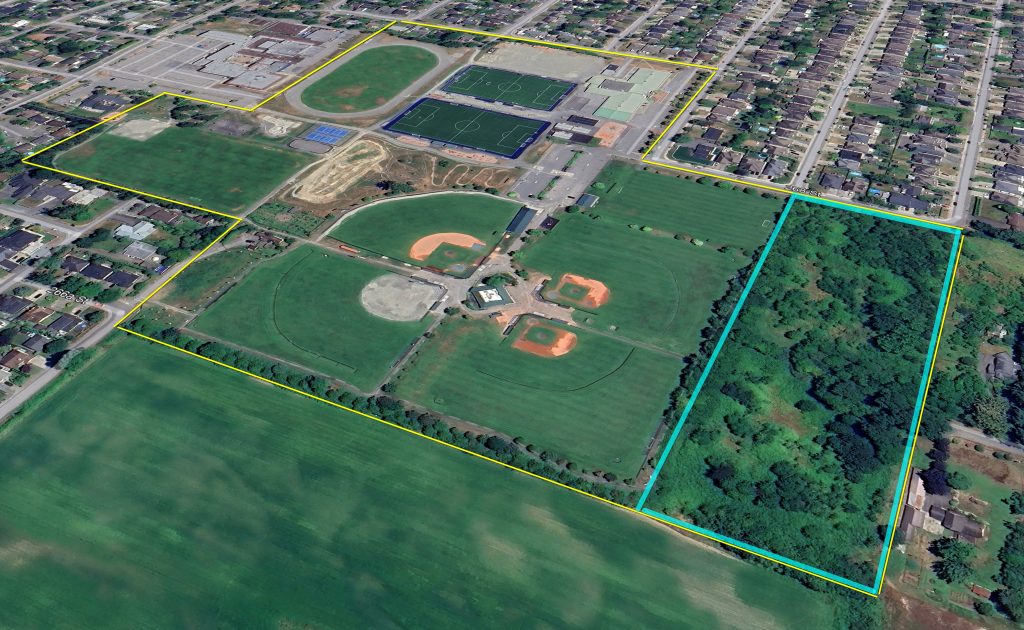
The South Aldergrove Sport Park project (see the yellow outline on the image) integrated stormwater management with active recreation. Beneath the playing fields, gravel-filled trenches captured runoff from smaller rainfall events and allowed it to infiltrate into the underlying soil. Drainage lines collected runoff from larger events and conveyed it through biofiltration and detention areas before supplying a reconstructed wetland (see blue outline). Together, these landscape measures managed stormwater while supporting the park’s recreational use.
Together, the Canadian projects show how stormwater systems can be integrated with the landscape to manage runoff, support water quality and respect the natural habitats connected to each site.